


Microneedling vs. PRP: Which Treatment Is Right for Your Skin?
You glance in the mirror and notice your skin looks tired, maybe a bit dull. A friend recently mentioned trying microneedling treatment in Chilliwack, and now you are curious. What exactly does that involve? And how does it compare to PRP (Platelet-Rich Plasma)? The search for fresher, healthier skin has led many people to explore these options, and for good reason. Both treatments tap into your skin's natural ability to renew itself, working with your body rather than against it. Here's what you need to know before booking your first session.
Why These Skin Treatments Are Getting So Much Attention
You may notice friends chatting about “vampire facials,” collagen boosts, or new clinic based treatments in the Chilliwack, and it can feel hard to sort real skin science from simple trends.
Both microneedling and PRP focus on one idea: support your own skin to renew itself through collagen, elastic fibers, and better texture over time. Some people in Chilliwack like that these treatments are clinic based yet still classed as minimally invasive, with short visits that fit between school drop off and a run to the Mall.
Understanding Microneedling
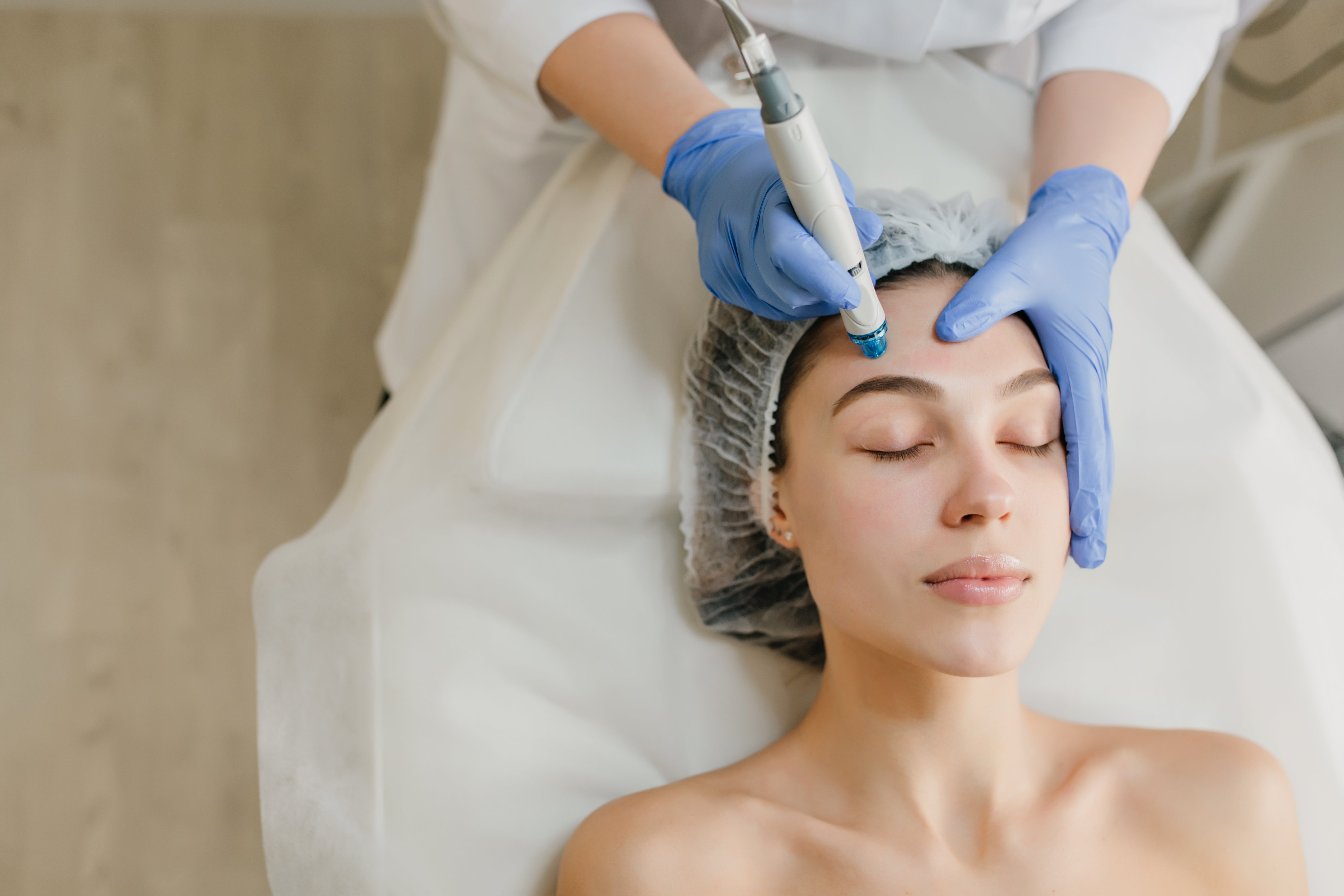
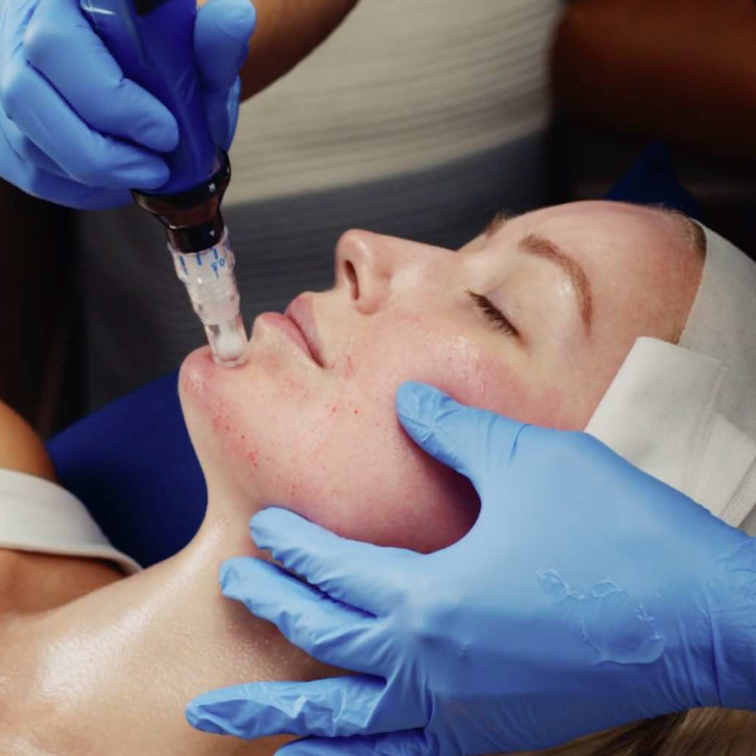
Microneedling uses very fine needles to create tiny channels in the surface of your skin, which encourages collagen and elastin repair in the deeper layers. During a treatment session, you usually have numbing cream applied, then a pen-like device moves over your face with a buzzing feel that many describe as scratchy but manageable. Think of it as a controlled micro injury that gives your skin a reason to rebuild.
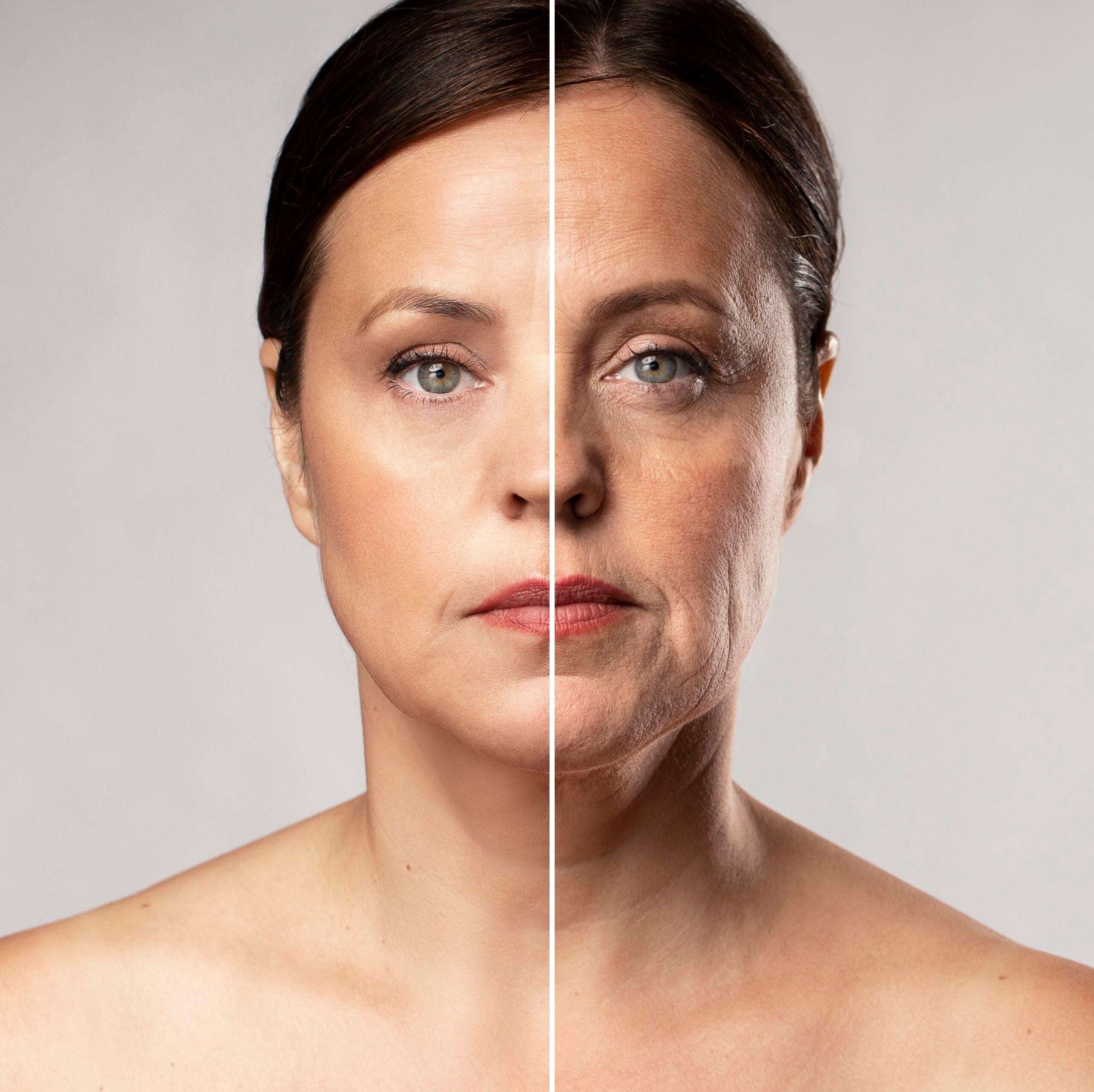
Over time, this process can help with uneven tone, enlarged pores, and texture, so it is often discussed as a skin texture treatment rather than a dramatic makeover. One clinical study on microneedling for neck lines reported that about 93.8 percent of people noticed wrinkle improvement and were happy with the process, which is quite high for a non surgical option.
Understanding PRP (Platelet-Rich Plasma)
PRP starts with a small blood draw from your arm, which is spun in a machine to separate the plasma rich in platelets, the part that carries growth factors that support healing. That golden colored plasma is then placed back on or just under your skin using fine needles, almost like feeding your face with its own repair tools. Some clinics even pair PRP with microneedling treatment so the growth factors can move through those tiny channels more easily.
Growth factors in PRP are thought to encourage collagen renewal, help micro injuries repair, and improve tone and texture in a gradual way. A 2024 review of PRP for facial rejuvenation reported average patient satisfaction scores above 90 percent at six-month follow-up, which shows that many people feel the results are worth the effort.
Bonus Read - Is Laser Hair Removal Treatment Safe if you have Tattoos?
Microneedling vs. PRP: A Clear Comparison
Microneedling focuses on creating micro channels that push your skin to repair itself, while PRP adds a concentrated dose of growth factors to that repair cycle. In a simple way these two treatments can be explained as two friends along the Vedder River: one who trains by running hills, and one who runs hills but also drinks a protein shake afterward. Both get fitter, just in slightly different ways.
When you look at what you see in the mirror, microneedling is often discussed more for texture and fine lines, while PRP is seen as a boost for overall glow, firmness, and early aging changes. Some people prefer to keep the process simple and stick with mechanical stimulation plus their usual skincare products, while others like the idea of adding their own plasma as an extra layer of support. Different paths, same theme of steady improvement.
Microneedling vs. PRP: At a Glance
|
Feature |
Microneedling |
PRP |
|
Best For |
Texture, pores, mild lines |
Glow, firmness, early aging |
|
How It Works |
Microchannels trigger collagen |
Plasma adds growth factors |
|
Pain Level |
Low to moderate |
Low |
|
Downtime |
24 to 48 hours redness |
24 to 48 hours redness/swelling |
|
Number of session |
3 to 4 |
2 to 3 |
|
Results Starts From |
3 to 4 weeks |
4 to 6 weeks |
|
Cost |
Lower |
Higher |
Why Do Many People Combine Both Treatments?
Many clinics now offer sessions that combine microneedling with PRP, using the channels made by the device to deliver plasma deeper into your skin. Research on acne scars suggests that this combined approach can bring better texture change than either method alone for some people.
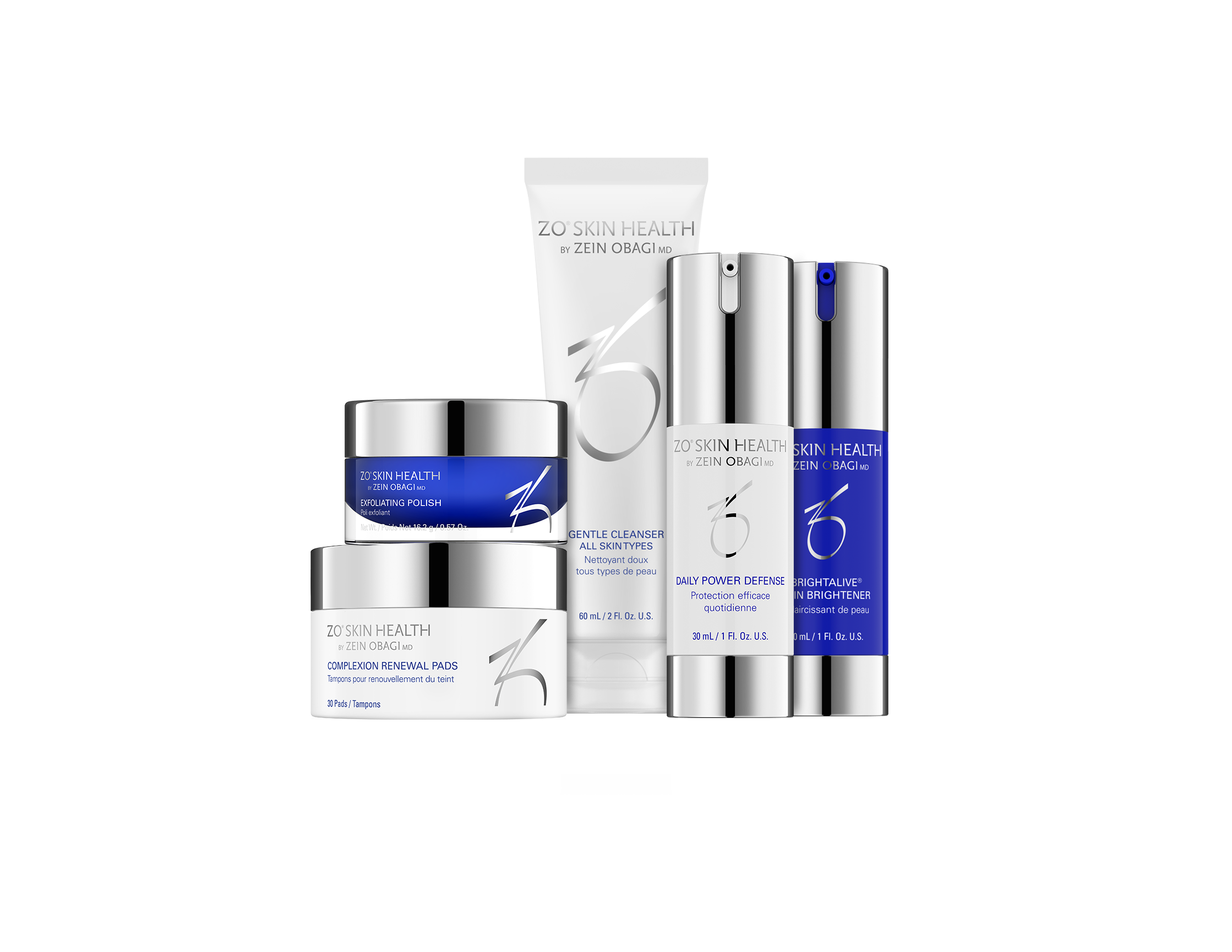
In a local context, this combo might sit beside curated lines such as ZO skin beauty products in Chilliwack, where you use active creams at home while the clinic focuses on controlled procedures. The mix of pro treatments and home care can feel like tuning both the engine and the fuel of your skin.
What to Expect During and After Each Treatment
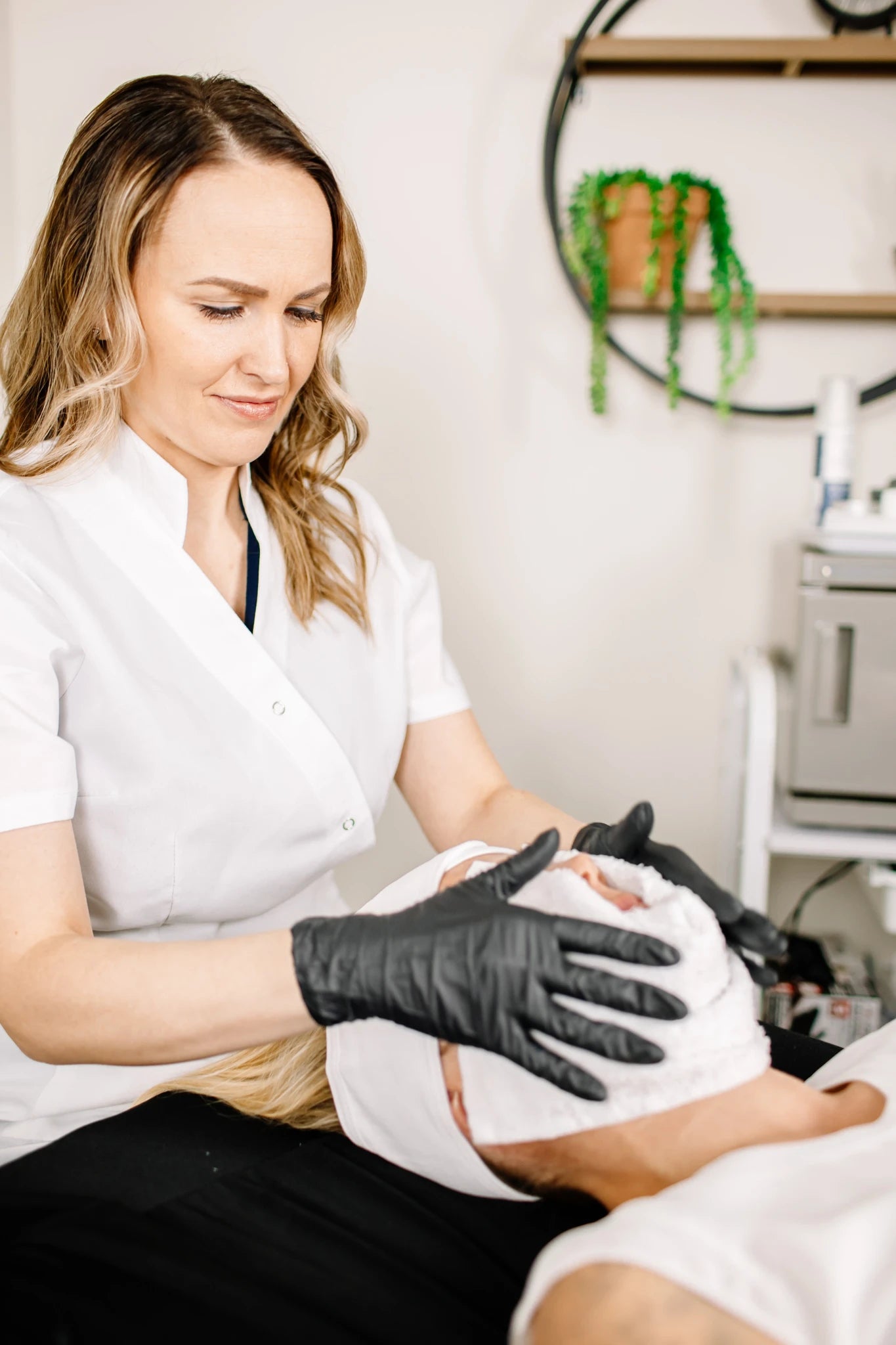
For microneedling, you usually arrive with clean skin, apply numbing cream for a short period, then sit while the device passes across your face in sections. Most people describe mild discomfort and a sunburn like warmth right after, which settles within a day or two, especially in the cool Chilliwack air. Over the next weeks, collagen remodeling starts quietly beneath the surface, which is why many clinics suggest a series of four visits spaced about four weeks apart.
For PRP, you can expect a blood draw, a brief wait while the sample spins, then tiny injections or application over your face. Redness and mild swelling are common but usually short lived, and most people return to normal routines with gentle care and sun protection. Since there is no single best skincare treatment for every face, both paths are usually adjusted to your age, skin type, and tolerance for downtime.
Who These Treatments Are Perfect For
These treatments are often chosen by people who want gradual change without surgery, especially those noticing early to moderate lines from years of West Coast rain, indoor heating, and summer sun. If you are thinking about skin treatments for aging skin, you might be in that space where makeup sits differently, or fine lines seem more noticeable in car park lighting.
Microneedling and PRP are usually discussed for people with stable health, realistic expectations, and patience for a series of sessions rather than instant change. They are not magic, yet they can support your skin’s own repair cycle in a measured way. Clear and simple.
Safety and Professional Guidance
Because both treatments involve needles and controlled injury to the skin barrier, it matters that they are done by trained professionals who understand skin health, infection control, and local guidelines.
Final Thoughts: Your Best Choice Comes From Your Skin Goals
In the end, both microneedling and PRP sit on the same side of the line, supporting your skin’s own repair rather than replacing it. One leans on mechanical micro channels, the other adds a boost from your own plasma, and many people in Chilliwack mix them across the year based on seasons, budget, and how their skin responds. Think about what you hope your face will show over the next few months, and take the next step that feels right for you.